Empowering Green: How Women Are Leading the Way in the Cannabis Market

March Covers
March Covers

It’s time to celebrate Women’s History Month! The cannabis industry is filled with unique people united by one plant, and one group of people in particular is increasing their share of the business: women! Join us as we explore the increasing number of female consumers, the rise of women-led businesses, and the impactful leadership of women entrepreneurs and trailblazers.

Female Consumers in Cannabis:

According to studies completed by Flowhu, there’s been a notable rise in female cannabis consumers. More women are turning to natural alternatives like cannabis products to manage pain and other qualifying conditions. This trend can be attributed to factors such as changing societal attitudes, increased legalization, and growing awareness of cannabis’s therapeutic benefits for women’s health.

Headset mentions that it comes to product preferences, women often choose options that offer therapeutic benefits and promote self-care. Topicals and wellness products are popular for their holistic approach to well-being. Low-dose edibles are amazing for discreteness and ease of use, allowing women to incorporate cannabis into their routines without stigma.

In terms of consumption methods, many women prefer vaping, tinctures, and microdosing for their precise dosing and quick onset of effects. These methods are valued for promoting relaxation and enhancing overall quality of life.

Rise of Women-Led Businesses:

The rise of women-led businesses in the cannabis industry is a testament to the shifting landscape of entrepreneurship and gender equality. Across functions such as cultivation, retail, and ancillary services, women entrepreneurs are making their mark with innovation and strategy. From managing cultivation operations to creating unique retail experiences, these women are reshaping the cannabis industry and challenging traditional norms.

Success stories abound among women entrepreneurs who have overcome barriers and paved the way for others in the industry. Trail Blazers like Montannah, author of Tannahbis coffee table books, have demonstrated remarkable creativity and vision in navigating the complexities of a male-dominated field. Others, like Dr. Bridget Williams, have leveraged their medical expertise to care for patients and drive industry-wide change. These women-led businesses not only contribute to the economic growth of the cannabis industry but also serve as inspiring examples of empowerment and inclusivity.

Conclusion:

As we celebrate Women’s History Month, it’s clear that women are making significant strides in shaping the cannabis industry. From increasing female consumers to the rise of women-led businesses breaking barriers and driving industry-wide change, their influence can’t be denied. Leaders  like Katie Burrel, Co-Founder of a Cannabis Marketing Agency called PufCreative, and Cimone Casson, owner of Cannas Capital Insurance Firm, truly show resilience and determination in reshaping traditionally male-dominated spaces. Their success stories not only contribute to the industry’s growth but also inspire us on our journey of empowerment and inclusivity!

Rooted Legacy: Cannabis Throughout Black History

Rooted Legacy: Cannabis Throughout Black History

Ancient Roots in Africa (3000 BC - 1000 AD):

Did you know that the Mexican term ‘marijuana’ is linked to the word ‘mariamba’, which was used in Kimbundu, a trade language from West and Central Africa? “A Brief Agricultural history of Cannabis in Africa” by Chris Duvall shows that cannabis came to Africa around 1000 years ago, marking the plant’s official introduction to the continent. However, there are many signs that ancient Egyptians found several uses for the cannabis plant as many as 5,000 years ago. It wasn’t until around 1500 AD that the plant’s popularity started to grow and spread over Africa. Farmers were known to cultivate the plant under a variety of settings, and cannabis gardens have been documented in many African countries, including South Africa, Mozambique, and Angola.


Pipe smoking, a huge shift in cannabis consumption, originated in Africa around this time. Before this development, cannabis was often ingested orally in Asia, where the plant originated. “The History of Cannabis in Africa: True Tales of Oppression, Suppression and Exploitation” mentions that there were many different techniques to prepare the cannabis plant for smoking, but the most simple and popular method was to dry the flowers beforehand. 


The introduction of pipe smoking in Africa led to a significant shift in the cultural and historical landscape of cannabis usage, which we see all over today. Modern techniques of cannabis consumption, such as water pipes, hookahs, and bongs, all trace their origins back to the single invention of pipe smoking, showing the impact African history has on today’s cannabis culture. 

Rooted Legacy: Cannabis Throughout Black History

Arrival to the World Through African Slave Trade (1526 - 1867):

As the slave trade unfolded, cannabis was valued for its health effects, primarily as a stimulant and medicinal plant. A complex relationship with the plant began as slavers provided cannabis for slaves to smoke during forced marches to give them moments of relief in the painful, horrible journey. 


A commercial trade where slaves transported cannabis shipments to the coast was also established during this time. Cannabis seeds were sown into the clothing worn on slave ships and were spread upon their arrival to the Americas, allowing the plant to travel across continents. Chris Duvall’s “The African Roots of Marijuana” mentions that these slaves “carried Cannabis indica to more locations and for a longer period of time than any other group of migrants.”


In the 16th century, slaves from various countries including Angola, brought cannabis seeds to Brazilian sugar plantations. Slave owners encouraged slaves to tend to their own cannabis plants in order to combat periods of ‘laziness’ and to increase productivity while they weren’t actively being forced to work.

Rooted Legacy: Cannabis Throughout Black History

The Jazz Era and Prohibition (1910- 1939) :

“Why, When, and How Marijuana Became Illegal” mentions how marijuana was utilized for various reasons for centuries in the Americas, but it wasn’t until the Prohibition Era (1920-1933), when alcohol was banned, that its recreational use really took off. Southern state governments began to regulate the cannabis plant around this time, claiming that its use had an impact on crime rates and that by banning cannabis, it would cause immigrants who brought the plant with them to leave. By 1931, recreational cannabis had become illegal in most of the United States, however it was still growing and thriving in the Jazz landscape. 

Rooted Legacy: Cannabis Throughout Black History

The History Channel states that the 1910’s marked a golden age for African American culture– the Harlem Renaissance had begun and the American Dream was going strong. The Black community sought refuge in communal spaces where they could dance and hang out called juke joints. These places were a safe space for Black people to escape from their everyday racial struggles. This made it an ideal space to partake in drinking, dancing, and listening to their favorite Jazz musicians. Cannabis was utilized by many, many of these Jazz musicians who played in juke joints from 1920-1939 for its ability to help the creative process as they made music and to keep that flow going while they performed. The love for reefer (or cannabis) showed through the numerous songs that Jazz musicians dedicated to it. 


Black Jazz musician Louis Armstrong is among the top artists of all time in the genre, and he took the music scene by storm with his transformation of Jazz music, including his song “Muggles”, a slang term for marijuana. Cab Calloway, the first African American to sell one million records, joined the ranks with a few releases mentioning marijuana during the 1930s and 1940s, including “Reefer Man” and “The Man From Harlem”. Despite segregation going strong, these songs were playing in many households across the country. 


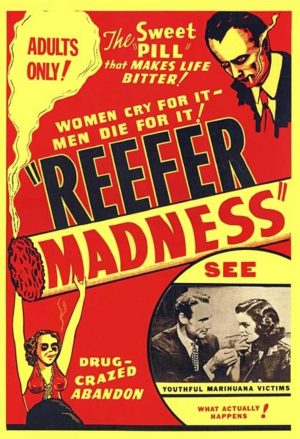
 Due to its links to African Americans, jazz became known as “The Devil’s Music” and deemed to be demonic and immoral, sparking fear in those who believed the propaganda. “Reefer Madness”, a movie that made its debut in 1936, was just one of the campaigns to prove that marijuana brought nothing but trouble. 

Reefer Madness

The War on Drugs (1971 - 1995) :

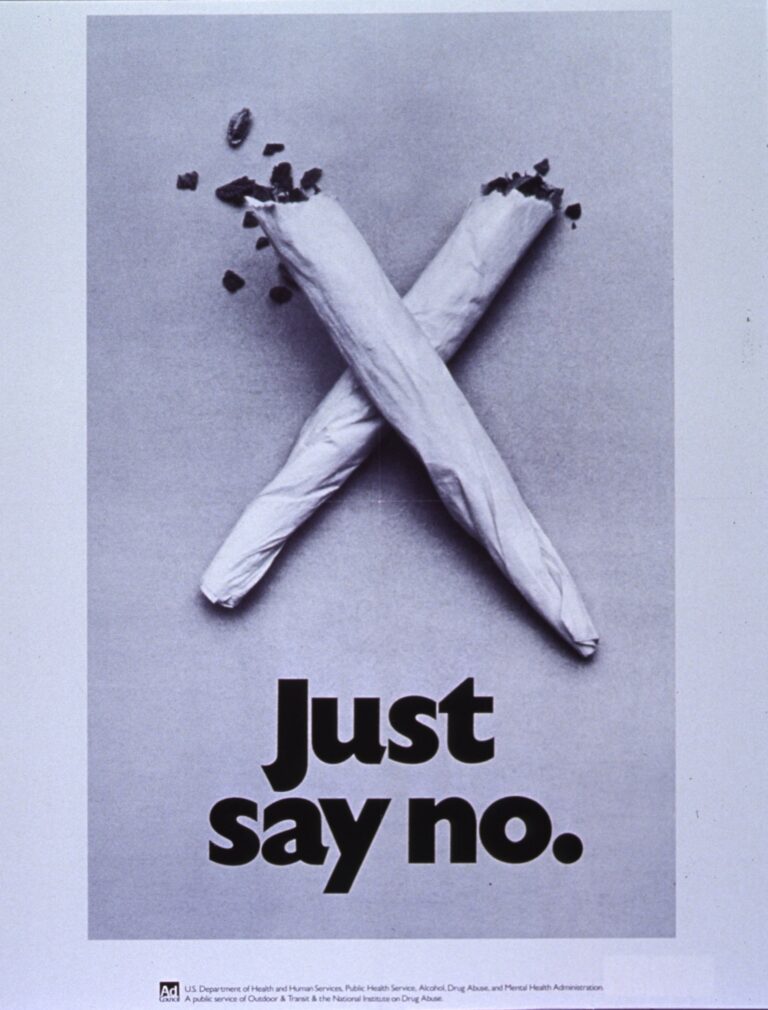
Just say no

Harry Anslinger, director of the Federal Bureau of Narcotics, had done much work in the 1930s-1960s to link anti-cannabis rhetoric to an anti-Black mindset. He was quoted saying, “Satanic music, jazz and swing, results from marijuana use. This marijuana causes white women to seek sexual relations with Negroes, entertainers, and others.” According to “Racism and Its Effect on Cannabis Research” by Robert Solomon, Anslinger’s work to introduce marijuana reform with the 1937 Marijuana Tax Act set the stage for the Marijuana Controlled Substances Act of 1970. Signed by President Richard Nixon in 1970, this act categorized drugs from Schedule 1 to 5 based on the danger they pose (marijuana falls as a schedule 1 substance) and is still in place today. 

In 1971, President Nixon declared the “War on Drugs” to combat drug abuse and increase government efforts to control it. According to PBS’ Marijuana Timeline, the initiative went into the background for a little while, until conservative groups lobbied for stricter policies and gained a lot of support from large organizations like the Drug Enforcement Administration (DEA). This did much in changing the public opinion of cannabis to a negative one. President Ronald Regain strengthened the initiative in 1981, when he signed the Anti-Drug Abuse Act. 

PBS’ Marijuana Timeline goes on to mention that under the Anti-Drug Abuse Act, policy allowed for three infractions before life sentences were given. 100 marijuana plants was sentenced equal to 100 grams of heroin. Unfortunately, this led to a snowball effect as incarceration, especially of Black people, became much more emphasized than treatment due to governmental pushes and public fears of the crack epidemic rising. 


According to the 1996 Crime in the United States (CIUS) Report, from 1980-1995, there was an 80% increase in the total number of arrests for the possession or sale of marijuana. In 1995, the proportion of Black people in total drug arrests increased from 24% in 1980 to 39% in 1995. On the other hand, White arrests decreased from 75% in 1980 to 60% in 1995. The distribution of other racial groups stayed relatively the same during this period.

The Present (2000 - Present) :

California became the first state to legalize recreational cannabis use for adults 21 and over in 2016. In the years since then, we’ve seen several states reform their cannabis policies, with Ohio becoming the most recent state to legalize recreational marijuana in 2023. As marijuana possession and use becomes legal across the United States, we reach a new climate as the public opinion on marijuana steadily changes. 

Rooted Legacy: Cannabis Throughout Black History

According to The Pew Research Center, 85% of Black Americans now say at least the medical use of marijuana should be legal. Outrage ensued as Black track star Sha’Carri Richardson was unable to compete in the 2020 Tokyo Olympics after THC led to a failed drug test. The growing support for her and other users of cannabis can be attributed to several factors such as the widespread popularity of Hip Hop culture and its ties to marijuana, increased research and understanding of the plant, and the success of states adopting new legalization policies.

California became the first state to legalize recreational cannabis use for adults 21 and over in 2016. In the years since then, we’ve seen several states reform their cannabis policies, with Ohio becoming the most recent state to legalize recreational marijuana in 2023. As marijuana possession and use becomes legal across the United States, we reach a new climate as the public opinion on marijuana steadily changes. 


According to The Pew Research Center, 85% of Black Americans now say at least the medical use of marijuana should be legal. Outrage ensued as Black track star Sha’Carri Richardson was unable to compete in the 2020 Tokyo Olympics after THC led to a failed drug test. The growing support for her and other users of cannabis can be attributed to several factors such as the widespread popularity of Hip Hop culture and its ties to marijuana, increased research and understanding of the plant, and the success of states adopting new legalization policies.


Mental health conversations have opened up and safe spaces are now ways to facilitate mental and physical self-care, many of which utilize cannabis to maintain this. A 2020 Statista survey showed that 27% of Black Americans aged 18-25 mentioned that they had used marijuana in the last month. The social aspect of cannabis remains strong as the shift from juke joints to Black nightclubs and bars gives a way to escape pressures of daily life and build community.


With that said, we still have much to do. The American Civil Liberties Union mentions that from 2001-2010, over 8.2 million people were arrested for simple marijuana possession. Of this number, Black people were around 4 times more likely to be arrested. Fortunately, programs like Last Prisoner Project, a nonprofit dedicated to reforming the criminal justice system and supporting those affected, are becoming more commonplace and pardons are being issued. With this information, we look toward a brighter future and are excited to see society form a healthy relationship with the plant that weaves a connection through Black history. 


To learn more about the Last Prisoner Project, click here!

Top 5 Unique Valentine’s Day Gifts Your Partner Won’t Expect

Top 5 Unique Valentine’s Day Gifts Your Partner Won’t Expect

Valentine’s Day is here, and while it’s a time of love, it can be a bit stressful to figure out what to get your special someone. Look no further, we’ve created a list with the best gift ideas for you! From personalized fragrances to custom cannabis accessories, here are the top 5 Valentine’s gifts that will make your celebration a hit.

Customized Cannabis Accessories (#5):

You can elevate your partner’s cannabis experience by including that special personalized touch. Customize rolling papers with unique designs or their name, place a picture you both love on a high-quality grinder, or give them a cool reminder of their favorite character on a new lighter. This gift combines thoughtfulness and functionality into one amazing product, creating a unique and memorable addition to their cannabis repertoire. 

Etsy is an amazing place to get these items made and shipped to you, here are some options to get you started: 

  1. Personalized Grinder

  2. Custom Rolling Tray Set

  3. Custom Lighters

Memory-Making Time(#4):

As they say, “experience gives us memories that last a lifetime.” Whether it’s a cooking class, a uniquely-themed restaurant you’ve always wanted to try followed by a visit to a museum exhibition, or a weekend getaway, an experience that you both can enjoy together is sure to make a memory that you’ll be able to look back on. These shared adventures not only deepen your connection but also write stories that will become cherished chapters in the book of your relationship, making every moment truly unforgettable.

Below are some cool and unique things to do near you!

  1. Columbus
    1. Otherworld | Immersive Art Experience 
    2. Game Show Battle Rooms
    3. The Escape Game Columbus 
  2. Athens
    1. Athena Cinema
    2. Kennedy Museum of Art 
    3. Vacation Cabin Getaway
  3. Beavercreek
    1. Two Social | Gaming Center & Bar
    2. Wild Axe Throwing
    3. The Learning Kitchen 

Cannabis Themed Apparel (#3):

Does your partner have a passion for fashion? Make a bold statement with cannabis-themed apparel that reflects your partner’s tastes. From stylish T-shirts and hoodies to cool accessories and jewelry, there are endless options to showcase their love for cannabis culture. Choosing pieces that align with their style makes this a thoughtful gift that they will absolutely appreciate. Not only does this gift  allow them to express their interests, but it also adds a touch of individuality to their wardrobe, ensuring they stand out with a unique and fashionable edge.

Here’s a list of some amazing options we found: 

  1. Blaze It Hoodie
  2. Unisex Stoner Girl Sweatshirt 
  3. Unisex Plant Some Trees Shirt
  4. Nugget Plushie
  5. Resin Ring


Custom Fragrance (#2):

Did you know that attraction is often linked to scent? Harnessing this intriguing connection, we’re recommending a custom fragrance as the perfect gift.  You can work with a perfumer to create a scent that embodies the essence of your relationship or find a custom candle shop near you. Whether it’s a blend of floral notes, warm spices, or citrus undertones, a custom fragrance is a personal and romantic gift that will be cherished.

The list below has a few custom perfume and scent companies that ship to your house!

  1. Me Fragrance Custom Perfume
  2. Maison 21G
  3. Scent Crafters 

Mavuno of OH Valentine’s Day Love Bundle (#1):

We’ve saved the best for last! Kick off the celebration with our curated Valentine’s Day Love Bundle, featuring the romantic essentials:  topicals, chocolates, and cannabis flower. Available on Valentine’s Day at a 30% discount, this bundle can be paired perfectly with a gift basket or given as a stand-alone gift. Complete the gesture with a personalized card, scented candles, and a heartfelt message, tailoring it to your partner’s tastes for a one-of-a-kind expression of your love.

This Valentine’s Day is an opportunity to step outside the ordinary to express your love with gifts that mirror the uniqueness of your relationship. Each of these presents is bound to make your celebration truly memorable. Demonstrate your appreciation for your partner’s individuality and celebrate the bond you share with gifts that resonate with their heart. Let us know all about how your Valentine’s Day went by tagging us @mavuno2u on Instagram!


The list below has a few custom perfume and scent companies that ship to your house!

  1. Me Fragrance Custom Perfume
  2. Maison 21G
  3. Scent Crafters 

5 Outstanding Ways to Celebrate MLK Day in Your Community

5 Outstanding Ways to Celebrate MLK Day in Your Community

This year, Mavuno of OH is celebrating MLK Day and as we commemorate the enduring legacy of Martin Luther King Jr., we realize there’s no better way to honor his life than by actively contributing to the well-being of our communities to create a meaningful impact. Here are five inspiring ways to spread joy and create a more vibrant community:

Community Clean-Up:

There’s a unique sense of camaraderie that comes with working together towards a common goal. Organize a community clean-up event where residents come armed with gloves and trash bags to rejuvenate local parks, streets, or communal spaces. This not only enhances the physical environment but also fosters a shared commitment to the well-being of the community.

Kindness Ripple Effect:

Initiate a kindness campaign that encourages residents to perform random acts of kindness throughout the day. Distribute cards or flyers suggesting simple yet impactful acts like offering a friendly smile, helping a neighbor, or leaving positive notes in public spaces. Watch as these small acts create a ripple effect, uplifting the spirits of everyone involved.

Cultural Potluck Celebration:

Break down barriers and celebrate diversity by organizing a community potluck that showcases the rich tapestry of cultures within your neighborhood. Encourage residents to bring dishes that represent their heritage, fostering understanding and appreciation for the vibrant backgrounds that make up your community.

Community Storytelling Gathering:

Embrace the power of storytelling to strengthen the bonds within your community. Host a gathering where residents can share personal stories that highlight unity, resilience, and overcoming challenges. Whether through spoken word, written narratives, or visual presentations, storytelling fosters empathy and connection.

Artistic Expressions of Unity:

Tap into the creative talents of your community by organizing an art project that reflects the themes of unity, equality, and positive change. Encourage local artists to contribute murals, sculptures, or other visual representations that celebrate the shared values of Martin Luther King Jr. These artistic expressions not only beautify public spaces but also serve as constant reminders of the community’s commitment to a brighter future.

CBD Month: Top 5 CBD Products You Can’t Miss!

CBD Month: Top 5 CBD Products You Can’t Miss!

We understand that the world of CBD can be overwhelming, with an abundance of products flooding the market. That's why we've taken it upon ourselves to sift through the options, meticulously selecting the crème de la crème to bring you a list of must-try CBD products. Each item on our list has earned its spot through rigorous testing, positive customer feedback, and a commitment to the highest standards of quality.

1.) Wana 100mg Hybrid 2:1 CBD:THC Gummies- Exotic Yuzu Lemon

Wana Exotic Yuzu Gummies

Immerse yourself in the extraordinary fusion of flavors with Wana’s Exotic Yuzu Sour Gummies, featuring a 2:1 CBD to THC ratio for a well-rounded experience. Inspired by the rare Asian fruit, these handcrafted treats capture the distinct acidity and unique sweetness of Yuzu, creating a taste sensation that sets them apart. Crafted with care using all-natural, vegan, and gluten-free ingredients, these gummies undergo a meticulous infusion process during cooking. The result is a perfect balance of CBD and THC terpene-enhanced distillate, offering the combined benefits of both cannabinoids in a 2:1 ratio.

2.) UBGOOD: 110mg 20:1 CBD:THC Tincture (Relief)

UB Good Tincture

Savor the simplicity of a cannabis experience free from lingering tastes, providing a seamless and effective solution to your wellness needs. UBGood’s commitment to quality shines through in every drop, offering a tincture that not only meets but exceeds the expectations of patients seeking a refined and reliable cannabis experience. This is a favorite among patients for its clean, non-lingering taste, remarkable effectiveness, and cost efficiency.

3.) Certified 100mg Hybrid 1:1 Gummies Black Cherry Rubies

Certified CBD Gummies

Certified’s Black Cherry Rubies are meticulously formulated with higher doses of CBD, strategically designed to combat inflammation and target various pain mechanisms with the utmost comfort. Each bite is a fusion of effective relief and the indulgent taste of black cherry, offering a palatable solution to your wellness journey.

4.) 2mg : 6mg CBD 'Social' Sparkling Pear

Camino Sparkling Pear Gummies

Camino Sparkling Pear Gummies aren’t just a treat for your taste buds; they’re a holistic experience carefully curated with terpenes including Limonene, Beta-Caryophyllene, and Linalool that align with your well-being. Elevate your moment with the perfect blend of taste, relaxation, and therapeutic magic.

5.) Wana 100mg Strawberry Lemonade 1:1 Gummies

Wana Strawberry Lemonade Gummmies

Meticulously crafted with all-natural, vegan, and gluten-free ingredients, these delectable treats marry the essence of bright citrus and the richness of strawberry. Beyond their delectable flavor profile, the popular 1:1 ratio within these gummies offers a unique blend of psychoactive effects, promoting a sense of relaxation and tranquility. Elevate your CBD experience with the perfect equilibrium of nature’s flavors and the harmonious balance of cannabinoids..

“Kwanzaa Crash Course: Understanding the Seven Principles and Symbols”

One of a kind
One of a kind

"Kwanzaa Crash Course: Understanding the Seven Principles and Symbols"

As the year draws to a close, we come together to celebrate a wide range of holidays and enjoy festivities. Among these celebrations, Kwanzaa stands out as a meaningful and vibrant observance that honors African American and Pan-African family, community, and culture. Kwanzaa Awareness Week, dedicated to spreading knowledge and understanding of this unique celebration, provides an opportunity for individuals of different backgrounds to come together in the spirit of unity.

Kwanzaa, which means "first fruits" in Swahili, was created in 1966 by Dr. Maulana Karenga as a way for African Americans to connect with their roots and celebrate their shared history and values. The week-long celebration, occurring on December 26th through January 1st, focuses on seven core principles known as the Nguzo Saba. These principles serve as a guide for reflection and action throughout the week.

These are the seven principles of Kwanzaa in the order they are followed, along with their representative meanings, according to the official Kwanzaa website.


1.) Umoja (unity): "To strive for and maintain unity in the family, community, nation, and race."

2.) Kujichagulia (self-determination): "To define ourselves, name ourselves, create for ourselves, and speak for ourselves."

3.) Ujima (collective work and responsibility): "To build and maintain our community together and make our brother's and sister's problems our problems and to solve them together."

4.) Ujamaa (cooperative economics): "To build and maintain our own stores, shops, and other businesses and to profit from them together."

5.) Nia (purpose): "To make our collective vocation the building and development of our community in order to restore our people to their traditional greatness."

6.) Kuumba (creativity): "To always do as much as we can, in the way we can, in order to leave our community more beautiful and beneficial than we inherited it."

7.) Imani (faith): "To believe with all our heart in our people, our parents, our teachers, our leaders, and the righteousness and victory of our struggle."

Kwanzaa Awareness Week plays a crucial role in fostering a deeper understanding of this cultural celebration. It encourages individuals from diverse backgrounds to engage in discussions, attend events, and explore the traditions associated with Kwanzaa. By promoting awareness, we not only honor the African American heritage but also build bridges between communities, fostering a sense of respect and appreciation for the rich cultural mosaic that makes our world so beautifully diverse. So, let's come together during Kwanzaa Awareness Week, light the Kinara, and embrace the values that unite us all in the spirit of love, community, and cultural pride.

Small Business Saturday: Celebrating Local Gems

Black Business Month – KafeLA

Small Business Saturday is a day to celebrate the small businesses that provide so much for our communies and contribute to the economy. As the year comes to a close, we’re taking a moment to reflect on all of the fantasc small businesses who we’ve been fortunate to find and highlight. On this day, we encourage you to shop small and explore your city’s local gems!

Black Business Month – KafeLA
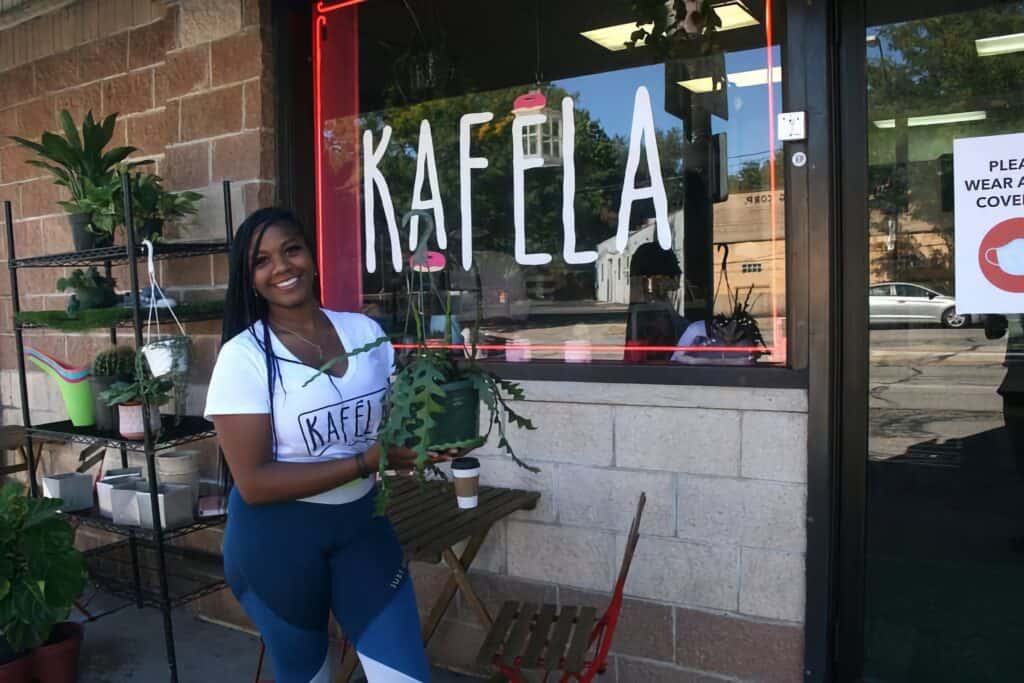
  • KafeLA: This family-owned-and-operated restaurant brings the California sunshine to Cleveland! Offering a cozy atmosphere filled with plants and amazing music, KafeLA gives patrons a reason to come back me and me again. Everyone can find something they love, be it breakfast, lunch or dinner during any me the doors are open.

ActivatedSpaces
  • Twist Cupcakery: At Twist Cupcakery, everyone can find a sweet they love at and ship their favorite flavors naonwide to a friend in a tasty cupcake jar. Located in Downtown Dayton, the cupcakery makes sure to use the best ingredients so that their treats are both amazing to look at and eat. Cupcake flavors rotate each day with other bakery staples such as wedding cakes, brownies, and chocolate pretzels .

Small Business Saturday: Celebrating Local Gems
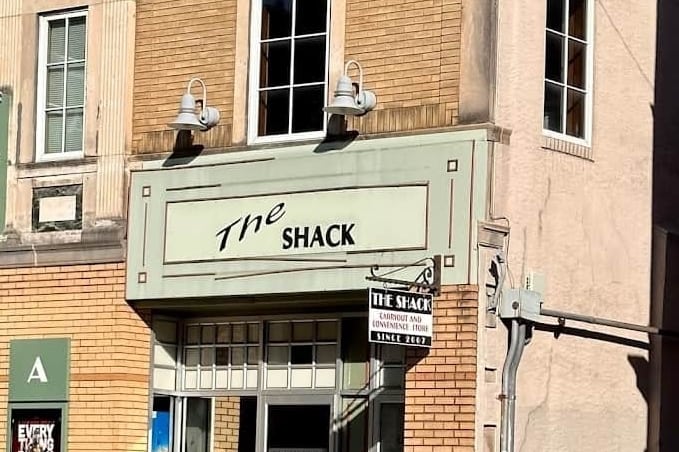
  • The Shack: This convenience store has all you need! Located right in Athens, this one-stop shop offers a wide variety of quick and easy needs, from tasty snacks to flavorful drinks.

  • Bam & Bros Barbershop: Bam & Bros Barbershop: Bam & Bros Barbershop has a cozy atmosphere and great conversaon! You’ll love the results from the wide range of haircut services this barbershop offers.

Small Business Saturday: Celebrating Local Gems
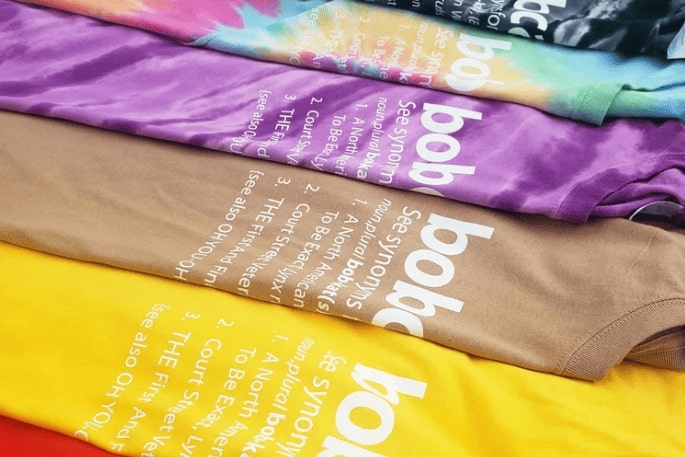
  • Swim Printed: Swimprinted is a garment prinng business that serves its patrons with high-quality, custom prints. Dedicated to helping people of all budgets, Swimprinted’s print-on-demand services are perfect for anyone wanng to develop their brand.

OUween066
  • DJ B-Funk: DJ B-Funk has been serving the Athens area for over 15 years with his unique and creave sets and seamless transions. Offering his services at a wide variety of events like weddings, fesvals, celebraons, and more, every party with DJ B Funk is one to remember!

Yaizmen Sheree Headshot1
  • Raw Yoga 614: This Yoga Studio is perfect for those who want to have a fun hobby or even become a cerfied yoga instructor. Classes are offered for all ages and are designed to meet the needs of parcipaters at all levels, creang a sense of community and self-improvement in each person. Private Yoga sessions are available one-to-one, for small groups, and even for corporate acvies.

Medical Cannabis Awareness Week: The Journey of Medical Cannabis in Ohio

Medical
Medical

It's Medical Cannabis Awareness Week! If Ohio passes Issue 2's Marijuana Initiative on November 7th, it will become the 24th state in the United States to legalize recreational marijuana. As we look toward a new chapter, we reflect on the journey of medical cannabis in Ohio and how far we've come in the last decade.

 
    • In 2015, Ohio voters rejected the Marijuana Legalization Initiative, with a little more than half voting “no”. This initiative was not popular among Ohio voters, and was highly criticized for attempting to create a monopoly on marijuana, and lacked backing from pro-legalization groups.
    • In 2016, we saw the legalization of medical marijuana, when House Bill 523 was passed in the House of Representatives 71-25.
    • In 2018, The Board of Pharmacy announced the activation of the Patient and Caregiver Registry
    • In 2019, the first medical marijuana dispensary opened its doors
    • In 2021, the Coalition to Regulate Marijuana Like Alcohol (CRMLA) began its efforts to get the initiative on the ballot. The group spent four months gathering signatures to submit to the secretary of state.
    • In 2022, several new states, like Maryland and Missouri, approved recreational marijuana through legislation like Issue 2.
    • In 2023, The Coalition to Regulate Marijuana Like Alcohol was given a 10-day cure period to get the 679 signatures they were short on. During this time, they received more than ten times that, raising the total of valid signatures to 127,772 and ensuring the initiative for the ballot.

As the general election approaches on November 7th, we encourage each person to exercise your right to vote. Your vote is your voice!

Make it Rec! Don’t Wreck it? – Get out the vote

Make It Rec

This November, you will have the power to effectively change the course of the medical marijuana industry forever. Issue 2 will officially make cannabis legal for recreational use, giving all Ohio citizens the opportunity to enter the marijuana industry equitably.

Issue 2 aims to create an equitable framework that allows all Ohio citizens to participate in the versioning marijuana industry. Unlike previous initiatives that were criticized for attempting to create a monopoly, Issue 2 seeks to level the playing field. This could mean more opportunities for small businesses and individual entrepreneurs, not just large corporations with significant capital.

What is Issue 2?

● The “Regulate Marijuana Like Alcohol Initiative”, also known as Issue 2, is the commercialization, regulation, and legalization of recreational marijuana for adults ages 21 and above in Ohio.

● The initiative proposes a comprehensive regulatory structure overseen by the Division of Cannabis Control. This body will be responsible for licensing operators and ensuring compliance with state laws. This centralized approach aims to streamline the process and maintain high standards across the industry.

The Journey of Recreational Marijuana in Ohio

● So far, 23 states have legalized recreational marijuana, making Ohio the 24th state if the initiative passes in November.

● In 2015, Ohio voters rejected the Marijuana Legalization Initiative, with a little more than half voting “no”. This initiative was not popular among Ohio voters, and was highly criticized for attempting to create a monopoly on marijuana, and lacked backing from pro-legalization groups.

● In 2016, we saw the legalization of medical marijuana when House Bill 523 was passed in the House of Representatives 71-25.

● In 2021, the Coalition to Regulate Marijuana Like Alcohol (CRMLA) began its efforts to get the initiative on the ballot. The group spent four months gathering signatures to submit to the secretary of state.

● In 2022, several new states, like Maryland and Missouri, approved recreational marijuana through legislation like Issue 2.

● In 2023, The Coalition to Regulate Marijuana Like Alcohol was given a 10-day cure period to get the 679 signatures they were short on. During this time, they received more than ten times that, raising the total of valid signatures to 127,772 and ensuring the initiative for the ballot.

What Does a Recreational Ohio Look Like for Consumers?

● The Division of Cannabis Control will be responsible for licensing marijuana operators and facilities and will oversee the compliance and standardization of marijuana businesses and production in Ohio. This ensures a standardized approach to compliance and quality across all marijuana businesses in Ohio.

● Allows the legal cultivation, processing, sale, purchase, possession, and home growth of marijuana.

● Adults 21 & older to possess up to 2.5 ounces of marijuana and up to 15 grams of marijuana concentrate. Additionally, adults will be permitted to cultivate up to six marijuana plants at home, with collective households being able to cultivate up to 12 plants. The cultivation must take place within a secured area that is not visible from public spaces and prevents access by individuals under 21. If two or more adults reside in a single residence, up to twelve cannabis plants can be cultivated.

● The creation of additional protection for those who partake in permitted adult use of cannabis by establishing the cannabis social equity and jobs program. Additionally, shielding confidential information that will identify any adult cannabis users and their application information from being disclosed as public record.

● The taxation of all recreational marijuana products at 10%, with all tax revenue going to the adult use tax fund and quarterly distributed into four other funds:

○ 36% to the cannabis social equity and jobs fund

○ 36% to the host community cannabis facilities fund

○ 25% to the substance abuse and addiction fund

○ 3% to the division of cannabis control and tax commission fund

● Passing Issue 2 could generate over $400 million in new tax revenue for the state of Ohio

● Employers are not required to accommodate an employee's use, possession, or distribution of adult-use cannabis. They can also establish drug-free workplace policies, which could affect consumers who are also employees.

● Adult-use cannabis cannot be used in certain public spaces like churches, public libraries, public playgrounds, public parks, or schools.

● The sum of Delta-9 THC and 87.7% of Delta-9 THCA present in the product or plant material will be considered as THC, which could have implications for the potency of products available to consumers.

● The controlled and regulated sales and use of adult-use cannabis aim to reduce illegal marijuana sales and provide a safer, regulated product. It also aims to limit the transportation of out-of-state cannabis into Ohio.

What Does Recreational Ohio Look Like for Licensed Marijuana Operators?

● The Division of Cannabis Control (The Division) operating within the Department of Commerce.

● The Division will regulate, investigate and penalize adult use cannabis operators, adult use testing operators, and individuals required to carry a license.

● Limit Criminal liability for certain financial institutions that provide financial services to adult use cannabis operators or testing laboratory licensed. Financial institutions can request detailed operator information, potentially easing the process for operators to secure loans or other financial services.

● If passed, all operations will switch to The Division over a 30 day period, but the industry as a whole may take longer.

What are the arguments?

● Supporting

○ U.S. Rep. Dave Joyce (R): "Modeled after the alcohol industry, which accounts for the unique needs, rights, and laws of each state, this proposal establishes a regulatory regime based on the specific desires of individual communities. The measure lets communities determine for themselves the best approach to cannabis within their own borders by keeping it out of communities that do not want it. It also allows employers to maintain policies prohibiting employee drug use and keeps cannabis out of the hands of anyone under the age of 21 without the consent of a medical professional."

○ Tom Haren, spokesperson for the Coalition to Regulate Marijuana Like Alcohol: "We are proposing to regulate marijuana for adult use, just like we do for alcohol. Our proposal fixes a broken system while ensuring local control, keeping marijuana out of the hands of children, and benefiting everyone."

○ Tax Revenue: Supporters argue that legalizing marijuana for recreational use will generate substantial tax revenue for the state.

○ Law Enforcement: The legalization would reduce the burden on law enforcement agencies.

○ Social Equity: The initiative aims to address social equity concerns, providing opportunities for marginalized communities.

○ Consumer Choice: Some believe adults should have the right to make their own decisions about marijuana use, especially since it is considered less dangerous than cigarettes and alcohol.

● Opposing

○ Protect Ohio Workers and Families: "We know that recreational marijuana legalization is meant to make a few investors rich, not to make Ohio better. Legalizing recreational marijuana is today’s version of Big Tobacco - big corporations getting rich at the expense of our kids and society. That’s why people from all walks of life are coming together to vote 'NO' this November."

○ Ohio Governor Mike DeWine (R): "I do not, however, support legalizing marijuana for recreational use. I have seen the negative effects it has had in states that have legalized it and fear that it would also lead to increased use by underage kids and that small children could consume marijuana-laced foods that look like candy."

○ Public Health: Opponents are concerned about potential adverse effects on public health, including increased rates of addiction and impaired driving incidents.

○ Impact on Youth: There is concern about the impact of legalization on young people and the potential for marijuana to serve as a gateway drug to more dangerous substances. Even though the age to obtain marijuana is 21 and older.

○ Economic Concerns: Critics argue that the initiative is designed to make a few investors rich at the expense of society.

Conclusion:

In summary, if Ohio's proposed adult-use cannabis regulations are enacted, they will establish a comprehensive legal framework for the industry. The initiative, if passed, will go into effect 30 days after approval, allowing adults aged 21 and up to cultivate cannabis at home starting December 7th.

Businesses with existing medical cannabis licenses will have a competitive advantage, as they will be eligible for preferential adult-use licenses. However, the full transition to this new regulatory landscape may take up to a year, as the state will need time to hire staff and develop specific regulations. This phased approach is similar to what was observed in Arizona, where recreational cannabis became legal in November 2020, but the first state-licensed sales didn't occur until January 2021. Importantly, there will be no cap on the number of licenses that may be awarded, potentially increasing competition within the industry.

For patients currently enrolled in the medical marijuana program, the proposed regulations do not specifically address how medical and recreational programs will operate in parallel. However, it is worth noting that in states like Michigan, the number of medical marijuana cards decreased after the legalization of adult-use cannabis. In Ohio, if the initiative passes, all recreational cannabis purchases would be subject to a 10% tax, in addition to existing state and local sales taxes. This may incentivize medical cardholders to retain their cards, as they would be exempt from the adult-use tax.

The proposed regulations are comprehensive, covering everything from specific definitions to advertising guidelines and THC content limits. Financial institutions will have limited criminal liability when providing services to cannabis operators, which could facilitate business loans and other financial services for dispensaries.

While there is some opposition to the initiative, most are against repealing it if passed. Any amendments would likely focus on additional protections for businesses and possible caps on THC content.

FAQ’s

● Household Growing: How does this work with roommates, multiple family homes, and properties with multiple structures? Adult use consumers can cultivate, grow, and possess not more than six cannabis plants at their primary residence. If two or more individuals who are at least 21 years old reside at a single residence, not more than twelve cannabis plants can be cultivated or grown. The cultivation must take place within a secured closet, room, greenhouse, or other enclosed area on the grounds of the residence that prevents access by individuals less than 21 years of age and is not visible from a public space.

● What is the process for home growers to become licensed? The document does not provide details on a separate licensing process for individuals who wish to grow cannabis at home for personal use.

● Adults 21+ being able to sell: What does this mean for non-operators? Adults are allowed to transfer up to six cannabis plants to another adult use consumer as long as the transfer is without remuneration (they can’t receive funds) and not advertised or promoted to the public.

● Will licensed brands (like Harvest) be allowed full advertisement and marketing freedom? This is still the regulation Division of Cannabis Control may adopt rules regulating advertisements of license holders to prevent advertisements that are false, misleading, targeted to minors, promote excessive use, or that promote illegal activity. However, these rules shall not overly burden the legitimate commercial speech of adult use cannabis operators in communicating with adult use consumers. The Division may also adopt time and place restrictions to prevent advertising targeted to minors. The Division can conduct audits of a license holder's published advertisements to ensure compliance and may require a license holder to stop using an advertisement if it violates the rules.

LGBT History Month

LGBT History

Celebrate the rich spectrum of human experience with LGBT History Month! We honor the courageous individuals, pivotal events, and vibrant cultures that have shaped the journey towards equality and understanding for queer communities. From trailblazing activists who stood up against adversity to groundbreaking moments that propelled societal change, this month serves as a reminder of the ongoing struggle for acceptance and the power of love in all its forms. Join us in recognizing the past, celebrating the present, and paving the way for a more inclusive and compassionate future.

Happy LGBT History Month!

Dennis Peron

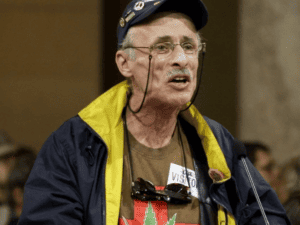
Dennis Peron (he/him). Dennis Peron is seen as the leader responsible for medical cannabis legislation passing in California. As an AIDS activist, Dennis understood the importance of gaining awareness and public knowledge and partnered with several others to gain signatures and change the stigma around medical marijuana. Throughout his life, Dennis believed that medical marijuana had a real place in the lives of those affected by various conditions and that it could truly help them. Near the end of this life, Peron opposed California Propositions 19 and 64 in 2010, which would have legalized recreational cannabis, because he did not believe that recreational use exists, as all people who use marijuana are using it medicinally.

Wendy Chapkis

Wendy Chapkis (she/they). Dr. Wendy Chapkis is an author and Professor of Sociology and Women & Gender Studies at the University of Southern Maine. Her book Dying to Get High: Marijuana as Medicine dives into qualifying conditions such as AIDS and cancer and how they were utilized to bring about the medical use of marijuana in the United States.

Richard Eastman

Richard Eastman (he/him). Richard Eastman has been dedicated to advocating for medical cannabis and changing the stigma around it for over 25 years. In 1999, he was the only AIDS patient invited to California Attorney General Lockyear’s task force meetings to advocate for medical marijuana and has helped organize various efforts to protect its use.

Paul scott

Paul Scott (he/him). Paul Scott is the Founder and Director of the Los Angeles Black LGBTQ Pride Movement. His empathy, activism, and determination led him to create the first medical cannabis facility in Inglewood, CA, where patients could find a safe space and have legal access to medical marijuana.

Isamarie Perez

Isamarie Pérez (she/her). Isamarie (Isa) Perez works in the tech space as a cannabis advocate and has worked with over 200 companies to start careers and streamline business processes in the industry. Isa advocates for the abundant potential people of color and those in the LGBTQ+ Community have in the medical cannabis industry and encourages everyone to learn more about what it has to offer.

Amber Senter

Amber Senter (she/her). Amber Senter has used her experience of over 20 years in project management and marketing to co-found Supernova Women, an organization dedicated to empowering people of color to become self-sufficient cannabis industry shareholders. Supernova Women worked with the City of Oakland to establish the first social equity program in the nation. Amber works to lower barriers of entry for Black and Brown people, and for communities most impacted by the failed War on Drugs.